
Sep 20, 2026
What is the Nutritional Power of Hibiscus Sabdariffa Flower Extract Powder?
Hibiscus Flower Extract Powder is very good for you because it contains a lot of anthocyanins, polyphenols, and organic acids that come from the calyx of Hibiscus Sabdariffa L. This bioactive-rich ingredient is better at fighting free radicals than other hibiscus products, which makes it useful for cosmetics, functional drinks, and nutraceutical formulations. Its high nutrient density helps with heart health, digestive health, and anti-aging, and it also has natural coloring qualities. The extraction method keeps heat-sensitive chemicals safe, which makes sure that the product is fully bioavailable and meets the quality standards needed for business-to-business purchases.
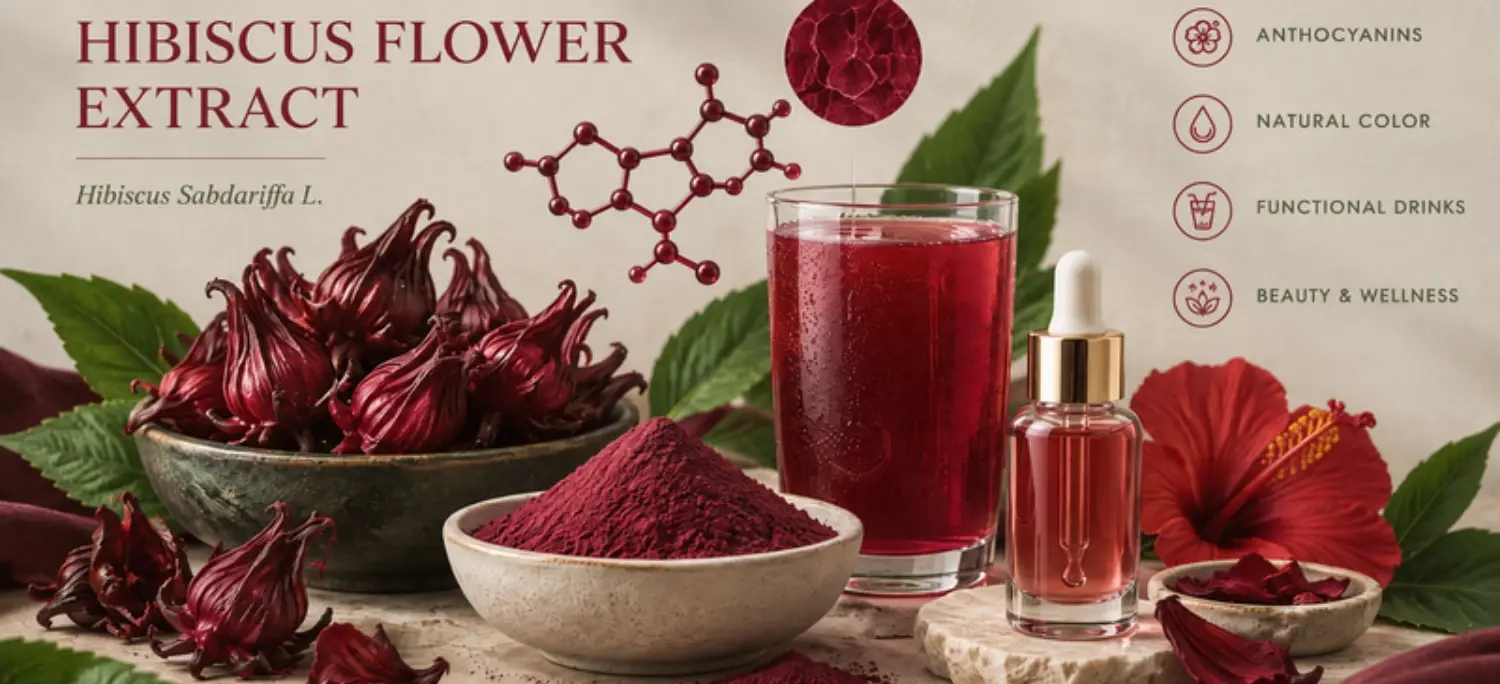
Understanding Hibiscus Sabdariffa Flower Extract Powder: Nutritional Composition and Key Properties
Hibiscus Flower Extract Powder is a quality plant ingredient used around the world because of its high nutritional value. Unlike dried flowers or infusions, standardized extract powder combines active chemicals in a way that can be measured.
Core Nutritional Components
A powder made from Hibiscus Flower Extract Powder sourced from the calyx has very high amounts of bioactive chemicals. Anthocyanins are the main active ingredient, and they are usually measured between 1% and 10% using HPLC or UV tests. These pigments dissolve in water and are flavonoids. They give the color purple-red its unique look and work to improve health. Besides anthocyanins, the extract also has polyphenolic acids, such as protocatechuic acid and chlorogenic acid, which make the antioxidant power stronger. Having enough vitamin C in good products helps the immune system, and minerals like calcium and iron make the formulas even healthier. The sour taste and pH-adjusting qualities of beverages are helped by the presence of organic acids like hibiscus acid and citric acid.
Bioavailability and Concentration Advantages
This ingredient is much more bioavailable than whole flower preparations because it has been processed with ethanol and water extraction. During the extraction process, insoluble fiber and plant matrix components are taken out. This concentrates beneficial molecules and makes it easier for the body to absorb finished goods. Formulation scientists say that Hibiscus Flower Extract Powder is more potent in powder form than in standard tea preparations. This is true across all production runs. This regulation is very important for companies that make dietary supplements because they have to follow label claim rules and governmental compliance standards. The fine powder texture makes it easier for the ingredients to be evenly distributed in capsules, tablets, and liquids, which solves a common problem that comes up when making plant ingredients.
Clean Label and Functional Properties
Hibiscus Flower Extract Powder is made from plants, which is in line with what the clean-label market wants right now. This ingredient comes from real hibiscus flowers and doesn't have any artificial ingredients. It meets the needs of veggie products and natural formulations. Deep red-purple color has two uses: it adds color to food naturally and also helps the body absorb nutrients. This sample is especially useful for purchasing managers who want to find alternatives to fake colorants. Because it dissolves easily in water and stays stable under normal processing conditions, it can be used in many fields, such as drinks, vitamins, and cosmetics. When buyers know about these basic properties, they can decide if Hibiscus Flower Extract Powder meets their quality standards and application needs.
Health and Cosmetic Benefits of Hibiscus Flower Extract Powder for B2B Applications
Because Hibiscus Flower Extract Powder has been shown to have physiological benefits, it makes a lot of sense for product makers in a lot of different areas.
Cardiovascular Health Support
According to research, Hibiscus Flower Extract Powder products high in anthocyanins help keep blood pressure levels that are already in the normal range. Because of this result, the ingredient is good for nutrition brands that want to target heart health markets. Pharmaceutical firms that are looking into adding botanicals to standard treatments like the well-known process that involves blocking ACE and helping blood vessels relax. Product development managers who are making vitamins for heart health can use these features to make their products stand out. Taking care of oxidative stress factors is another way that the antioxidant ability benefits vascular health. Formulation scientists use Hibiscus Flower Extract Powder well with other heart-healthy plants like hawthorn and garlic extract when they make combo goods.
Weight Management and Metabolic Support
Because Hibiscus Flower Extract Powder changes metabolism, it creates new job possibilities in the growing weight control industry. Studies show that polyphenol molecules might affect how lipids are used and help keep the body's makeup healthy. Dietary supplement companies that are making goods to help with fat metabolism find that this ingredient works well with other ingredients that help the metabolism. The mild diuretic effects help keep the body's water balance sometimes, which makes them appealing to companies that are making complete weight control products. Companies that make sports nutrition are looking into natural performance ingredients like the clean-label image and useful benefits. Because it helps the metabolism, Hibiscus Flower Extract Powder is very useful for healthy drink makers who want to set their products apart.
Cosmetic and Skin Health Applications
Hibiscus Flower Extract Powder is used in a lot of different ways to make personal care goods better. The anthocyanins protect against external stresses that make skin age faster by acting as antioxidants. Natural alpha-hydroxy acids in the product gently exfoliate the skin, which helps the skin renew itself. Hibiscus Flower Extract Powder is used in hair care products because it is traditionally thought to make hair stronger and improve the health of the skin. Because it is naturally tight, it can be used in toners and washes that aim to reduce the look of pores. Beauty supplement companies take advantage of the move toward "beauty from within" by adding standardized hibiscus flower extract powder to cosmetics that can be eaten. Product managers who are making anti-aging lines like that say there is scientific evidence that Hibiscus Flower Extract Powder can protect against collagen breakdown and oxidative damage.
Comparing Hibiscus Flower Extract Powder with Other Hibiscus Products: Quality and Procurement Insights
When you know the differences between Hibiscus Flower Extract Powder formats, you can make smart buying choices that meet the needs of your application and fit your marketplace.
Extract Powder versus Tea and Whole Flower
Standardized Hibiscus Flower Extract Powder gives you a way to measure the amount of active ingredient in a product, which helps with quality and stability issues that often come up with whole herb goods. People are used to drinking hibiscus tea, but it doesn't have enough strength for therapeutic-level formulas. When purchasing dietary supplements, purchasing managers know that Hibiscus Flower Extract Powder gets rid of the batch-to-batch differences that come with farm goods. When compared to dried flowers, Hibiscus Flower Extract Powder takes up less store room and stays stable for longer. The powder's ability to run freely helps automatic encapsulation processes, which is especially helpful for companies that make capsules. Whole flowers are used in tea shops, but Hibiscus Flower Extract Powder is more suitable for large-scale production in the industry sector.
Organic versus Conventional Sourcing
The choice between organic and standard affects how well regulations are followed, how easy it is to get into markets, and how prices are set. Organic-approved Hibiscus Flower Extract Powder is very expensive, but it can help you get into natural product channels that have strict rules about what ingredients can be used. Managers of regulatory affairs need to check how well certification bodies are known in all of their target markets. This is because USDA Organic, EU Organic, and other regional standards have different rules for compliance. It is especially important to test for pesticide residues in standard goods that are going to be sold in Europe, where maximum residue limits are very strict. Quality assurance teams should ask for testing data that is relevant to each batch and includes screens for heavy metals, microbial pollution, and pesticides. The buying choice is made by balancing the needs of the target market, the budget, and the quality standards. Strategic sourcing managers often keep two supply chains going so they can serve both standard and organic product lines.
Selection Criteria for B2B Procurement
To choose the right ingredients, you need to look at more than just the basic specs. Third-party testing evidence is necessary because product purity has a direct effect on how well it works and what it says on the label. Sourcing openness lets you track products back to the places where they were grown, which helps with accuracy checks and ethical sourcing programs. Following GMP guidelines during production guarantees consistent handling that protects chemicals that are sensitive to heat. Suppliers with ISO 9001, HACCP, or FSSC 22000 certifications can be trusted to handle quality in an orderly way. Kosher and Halal approvals help brands that cater to culturally strict customers get into more markets. Support for documentation, such as Certificates of Analysis and letters of regulatory compliance, speeds up the qualification process. Together, these evaluation factors show if a relationship with a supplier will help the business reach its long-term goals.
How Hibiscus Sabdariffa Flower Extract Powder is Made: Production and Quality Assurance Process
Learning about how Hibiscus Flower Extract Powder manufacturing works can help you understand quality factors and supply chain issues.
Harvesting and Raw Material Selection
Carefully choosing Hibiscus Sabdariffa L. flower material that is at its peak growth is the first step in making a high-quality extract. Sustainable picking methods make sure there is a steady supply and help farming communities in areas that are growing. Before handling starts, methods for inspecting raw materials make sure that the plants are what they say they are and check for contamination. Traceability systems follow materials from certain growing areas through the whole production process, helping to meet standards for origin proof. Suppliers who are responsible keep in touch with farming groups to make sure they get paid fairly and promote good farming practices. When the crop is harvested has a big effect on the amount of anthocyanin it contains, so agricultural knowledge is very important for the quality of the raw materials. If procurement managers want to keep their supply lines steady, they should look at their ties with agricultural producers as suppliers.
Techniques for Extraction and Concentration
Modern extraction uses ethanol and water solvent systems to concentrate bioactive substances while getting rid of plant tissue components that aren't needed. The solvent ratio and extraction factors are tweaked to get the most anthocyanin while keeping the purity of the substance. Temperature-controlled handling keeps heat-sensitive polyphenols from breaking down, so the antioxidant activity is kept. After the extraction process, steps called concentration get rid of any extra solvent. Spray drying or freeze drying then turns the liquid extract into a stable hibiscus flower extract powder. Advanced makers use vacuum concentration to keep heat contact to a minimum while solvents are being removed. Testing at several steps of the process makes sure that everything is consistent and lets quality be changed in real time. The choice of extraction solvent affects how useful the end product is for different uses. For example, ethanol-water systems are usually thought to be safe for use in food and supplements.
Quality Assurance and Certification Standards
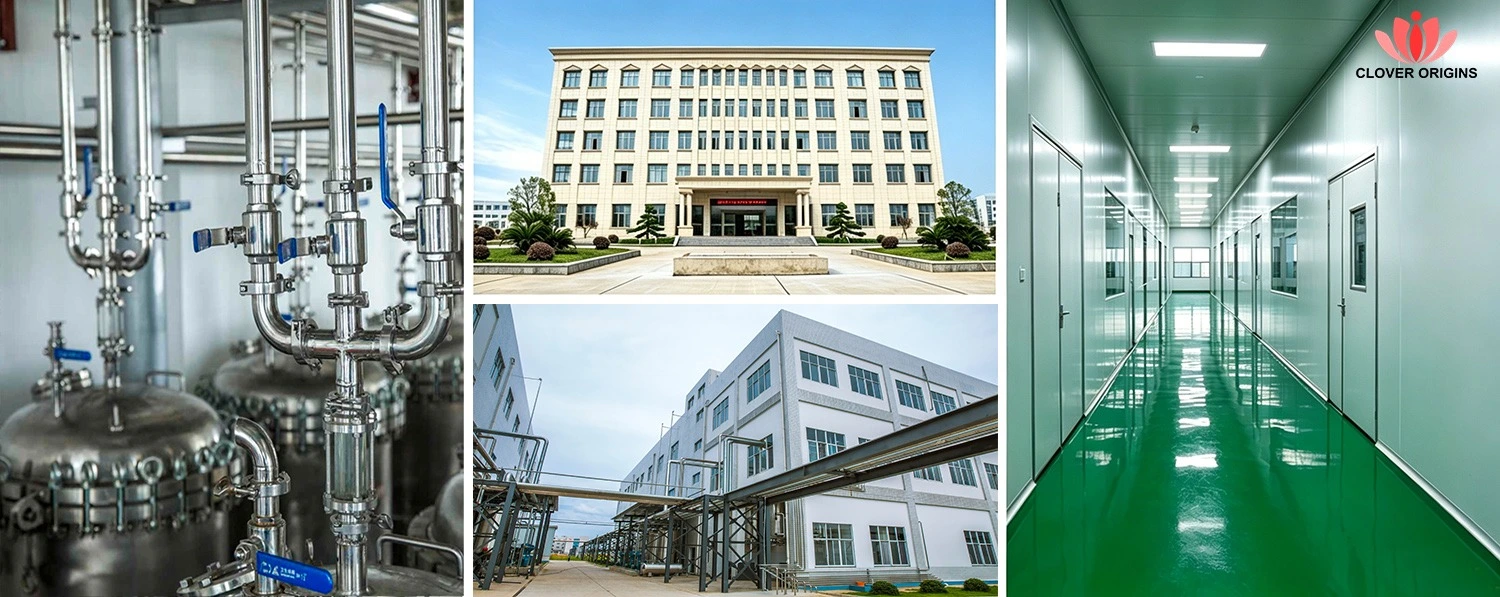
At every step of the production process, from receiving the raw materials to releasing the finished product, strict quality control rules apply. The ISO 9001 certification shows that quality management is organized, and the HACCP and FSSC 22000 certifications deal with risks to food safety. The testing screens check the product's identity using HPLC fingerprinting, make sure the anthocyanin level is safe, and look for heavy metals, pesticides, and microbes. Concerns about sterilization that are important for foreign trade are dealt with by ethylene oxide residue tests. Certificates of Analysis that are specific to a batch show that key factors meet Chinese, European, and U.S. legal standards at the same time. Putting Hibiscus Flower Extract Powder in materials that keep wetness out and filling them with nitrogen can extend their shelf life and keep them stable. Logistics agreements with companies that specialize in botanical ingredients make sure that the right steps are taken during foreign shipping. Quality assurance includes more than just tests; it also includes full traceability paperwork that helps with FDA registration and import compliance.
Procurement Guide: How to Choose and Buy Hibiscus Flower Extract Powder for Global B2B Clients
For strategic Hibiscus Flower Extract Powder buying to work, application needs, provider skills, and relationship possibilities all need to be carefully considered.
Defining Application Requirements
To choose the right ingredients, you must first be clear about your product development goals. For therapeutic-level doses, nutritional uses usually need a higher anthocyanin standardization, usually between 5 and 10 percent. Developers of functional drinks might put natural color strength and antioxidant activity at the top of their list of priorities, and they might be willing to accept less consistency in exchange for lower costs. For creams and serums to spread evenly, cosmetic formulators need forms that dissolve in water and have certain particle sizes distributed. Different types of products have very different regulatory requirements. For example, dietary supplements have tighter rules about their identity and strength than food ingredients. Knowing the rules of the target market helps with making design choices, especially when it comes to the extraction solutions that can be used and the certifications that are needed. Before looking for suppliers, product development managers should work together with regulatory affairs teams early on to come up with standards that are in line with the law.
Evaluating Supplier Capabilities
The evaluation of the manufacturer includes more than just the product specs. It also looks at the operational skills and business practices. Production potential of more than 5,000 tons per year shows that the business can grow to meet rising demand without having to stop supplying goods. Multiple factories provide backup in case of specific problems, which makes the supply chain more resilient. Responding quickly to technical support requests is what sets strategic partners apart from basic providers who can't help with product development. Sample creation times of less than seven working days allow for quick prototypes and recipe improvement. Turnaround time for documentation of 12 hours supports tight project plans that are typical in competitive product launches. Minimum order amounts that are flexible allow for pilot production and market testing before committing to large purchases. Long-term inventory available from established stock guarantees a steady supply for successful goods that need to be scaled up quickly.
Initiating Supplier Partnerships
Asking for free samples and technical data files is the first step in an efficient buying process. As part of the initial sample review, the claimed specs should be checked by a third-party laboratory. Pilot-scale tests on real recipes show how well they work together and how they perform. When negotiating prices, the total cost of ownership, which includes freight, testing, and keeping supplies, should be taken into account, not just the price per kilogram. Supply deals that include quality standards, testing methods, and ways to fix materials that don't meet specs protect both parties. Sections that protect confidentiality protect secret formulas and efforts to make competing products. Setting up clear lines of contact and named account representatives helps avoid confusion and speeds up the settlement of problems. Strategic relationships with experienced plant extract makers give you access to technical know-how, legal advice, and help with streamlining your supply chain that you can't get from buying and selling commodities.
Conclusion
Hibiscus Flower Extract Powder is a plant ingredient that has been scientifically proven to work and can be sold in a variety of markets, including nutraceuticals, functional foods, and cosmetics. Its high concentration of anthocyanins gives you measurable health benefits and meets customer tastes for clean-label products. To do a good job of buying, you need to look at more than just price when you look at things like product standardization, supplier quality systems, and relationship skills. Risk reduction is important for global supply lines, and manufacturers can show that they follow the rules by getting recognized certifications, following thorough testing methods, and keeping clear records. The ingredient can be used in a lot of different ways, which lets you differentiate your products, and the fact that it comes from nature fits in with current health trends. Strategically buying botanical extracts from suppliers with a lot of experience makes sure that you can get regular quality, expert help, and a reliable supply, all of which are important for business success.
FAQ
What anthocyanin concentration should I specify for supplement formulations?
Dietary supplement uses usually need a standardization of 5–10% anthocyanin, which is tested by HPLC to make sure the potency is always the same and the label claims are true. Lower amounts, around 1% to 3%, work well for functional food uses that value natural color over therapeutic doses. Standardization makes portion amounts smaller, but it also raises the cost of ingredients per unit.
How does extraction solvent affect product safety and applications?
Most people agree that the ethanol and water methods used to get Hibiscus Flower Extract Powder are safe for use in food and supplements. Testing for residual solvents shows that amounts are still well below what is allowed by law. The extraction method keeps the anthocyanins and polyphenols that dissolve in water while getting rid of the contaminants that stick to fat. This makes clean, safe ingredients that can be used in many situations.
What certifications are essential for U.S. market access?
To get into the U.S. food supplement market, you need to be registered with the FDA, follow GMPs, and pass a lot of safety tests that look for heavy metals, herbicides, and microbes. Having Kosher and Halal licenses helps you reach more customers. Brands that care about quality can boost their reputation by getting tests done by reputable labs like Eurofins, SGS, or Alkemist Labs.
Partner with Clover Origins for Premium Hibiscus Flower Extract Powder Supply
Clover Origins is a trustworthy company that has been making plant extracts for over 25 years. They can provide you with hibiscus flower extract powder. Our product contains between 1% and 10% standardized anthocyanins and is made in ISO 9001, HACCP, FSSC 22000, Kosher, and Halal approved plants that can make more than 5,000 tons of powder every year. We offer a range of MOQ choices, quick sample development in seven working days, and help with paperwork in 12 hours. Goods that are in stock are shipped within one to two days, and goods that are made to order take five to ten days to finish. To make sure that Chinese, European, and U.S. standards are met, each batch is tested for herbicides, heavy metals, and solvent leftovers. We can help you reach your product development goals by giving you free samples, expert advice, and security for your formulas. Get in touch with our team at info@cloverorigins.com to talk about your Hibiscus Flower Extract Powder needs and enjoy partnership-focused service that goes beyond just buying ingredients.
References
1. Hopkins, A.L., Lamm, M.G., Funk, J.L., and Ritenbaugh, C. (2013). "Hibiscus sabdariffa L. in the treatment of hypertension and hyperlipidemia: A comprehensive review of animal and human studies." Fitoterapia, 85, 84-94.
2. Da-Costa-Rocha, I., Bonnlaender, B., Sievers, H., Pischel, I., and Heinrich, M. (2014). "Hibiscus sabdariffa L. – A phytochemical and pharmacological review." Food Chemistry, 165, 424-443.
3. Riaz, G. and Chopra, R. (2018). "A review on phytochemistry and therapeutic uses of Hibiscus sabdariffa L." Biomedicine & Pharmacotherapy, 102, 575-586.
4. McKay, D.L., Chen, C.Y., Saltzman, E., and Blumberg, J.B. (2010). "Hibiscus sabdariffa L. tea (tisane) lowers blood pressure in prehypertensive and mildly hypertensive adults. "Journal of Nutrition, 140(2), 298-303.
5. Herranz-López, M., Fernández-Arroyo, S., Pérez-Sanchez, A., Barrajón-Catalán, E., Beltrán-Debón, R., Menéndez, J.A., Alonso-Villaverde, C., Segura-Carretero, A., Joven, J., and Micol, V. (2012). "Synergism of plant-derived polyphenols in adipogenesis: perspectives and implications." Phytomedicine, 19(3-4), 253-261.
6. Ali, B.H., Wabel, N.A., and Blunden, G. (2005). "Phytochemical, pharmacological, and toxicological aspects of Hibiscus sabdariffa L.: a review." Phytotherapy Research, 19(5), 369-375.
Online Message
YOU MAY LIKE
High quality furniture manufacturer