
Sep 24, 2026
Theobroma cacao Seed Extract: Sources And Benefits
Theobroma cacao seed extract is a highly concentrated botanical ingredient derived from the fermented and dried seeds of the cacao tree. Unlike standard cocoa powder, which primarily serves flavor purposes, cocoa bean extract powder is standardized for specific bioactive markers — most notably cocoa flavanols and epicatechin — delivering measurable functional benefits in nutraceutical, cosmetic, and functional food applications. With growing consumer demand for clean-label, plant-based actives, this extract has become a strategically valuable raw material for manufacturers seeking both efficacy and market differentiation.
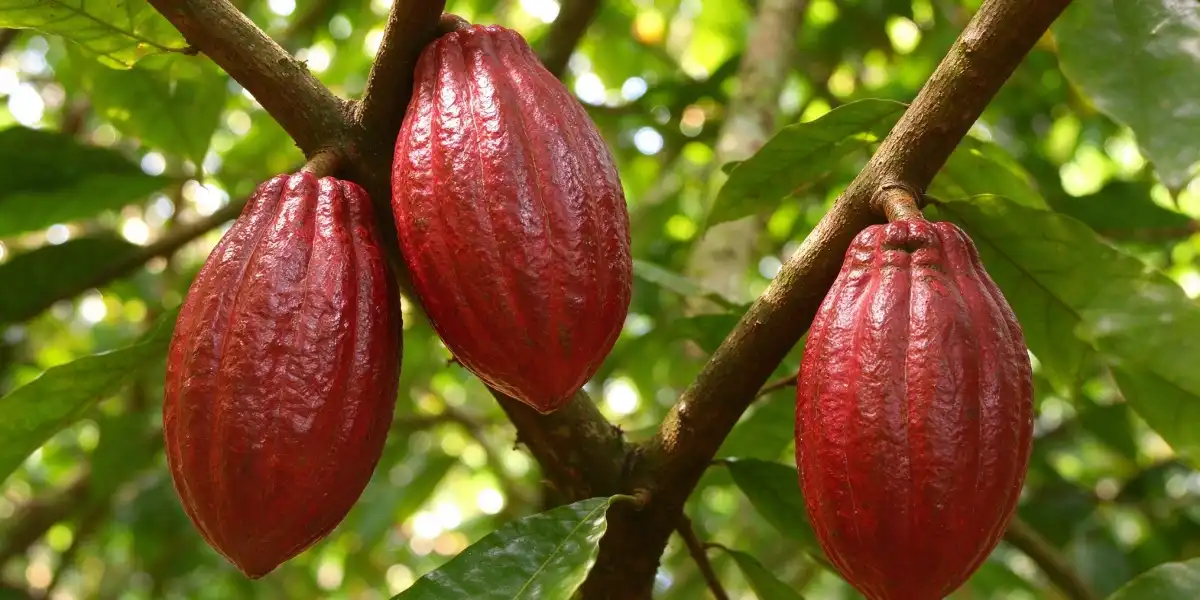
Understanding Theobroma cacao Seed Extract: Composition and Nutritional Profile
There are a huge number of different beneficial substances in the seeds of Theobroma cacao. These chemicals—including flavanols, procyanidins, theobromine, and epicatechin—are kept at levels much higher than those found in regular cocoa ingredients when they are turned into a concentrated extract.
Key Bioactive Compounds and Their Roles
In the field of nutrition science, cocoa flavanols are some of the most studied chemicals that come from plants. Epicatechin is the main flavanol found in cacao. It has been shown to help the production of nitric oxide, which is good for heart health and blood vessel tone. A major study that came out in 2006 in Circulation showed that eating cocoa that is high in flavanols made flow-mediated dilation much better in people. Theobromine is a naturally occurring methylxanthine that acts as a mild stimulant without the sharp peaks that caffeine does. This makes it a great choice for formulations that help the brain.
The ORAC (Oxygen Radical Absorbance Capacity) rating of flavonoids from cacao is much higher than that of green tea or resveratrol. This makes it an even more important antioxidant in high-end products.
Sources and Types of Cocoa Bean Extract Powder: Choosing the Right Product
A lot of chocolate products are not the same. The final bioactive profile depends on where the plant was grown, how it was handled after harvest, and how it was extracted. Understanding these factors is important for procurement teams that are choosing which ingredients to use.
Natural vs. Alkalized Extracts
Dutch-processed (alkalized) cocoa goes through a pH treatment that lowers the flavanol level by a lot; some studies show losses of more than 60%. Natural chocolate extract that hasn't been alkalined keeps all of its polyphenols, such as procyanidins range from monomers (DP1) to heptamers (DP7). All of Clover Origins' processing of raw materials is strictly non-alkalized and non-Dutched. This protects heat-sensitive flavanol structures by using ethanol and water as solvents in a new low-temperature extraction process.
Certified and Traceable Sourcing Matters
In global food markets, supply chain openness is no longer a choice. More and more, buyers want paperwork that proves the product's origin, tests for pesticide residue, and compliance with heavy metal rules. This is especially important for cadmium and lead, which are naturally found in areas where cocoa is grown. Clover Origins gets its high-quality cacao beans from important areas around the world, producing cocoa bean extract powder. They test different origins and groups to get the highest amounts of bioactive compounds from the source. Each batch has a lot of different certificates, such as ISO 9001, FSSC 22000, Halal, Kosher, and third-party proof by Eurofins.
Application and Usage: Maximizing the Value of Cacao Extract in Your Products
Theobroma cacao seed extract is one of the most useful plant ingredients that formulators can find today because it can be used in a lot of different ways. There are many ways to use it, and each one takes advantage of a different part of its bioactive profile.
These are the main areas where this extract is useful and can be measured:
- Nutraceutical and Cognitive Support Supplements: Cocoa flavanols support cerebral blood flow through theobromine's steady-state vasodilatory mechanism, making cacao extract a compelling ingredient in nootropic and brain health formulations. Standardized extracts at 10% or 20% cocoa flavanols (tested via AOAC methods) allow precise dosing in capsule and softgel formats.
- Functional Food and Beverage Integration: In meal replacement bars, protein shakes, and functional beverages, the extract contributes a clean antioxidant profile without adding the fat load of cocoa butter or the sugar content of chocolate. Water-dispersible grades prevent precipitation in liquid applications.
- Cosmeceutical and Topical Formulations: Topically applied epicatechin and procyanidins protect dermal tissue from UV-induced oxidative stress and enhance microcirculation. Multiple peer-reviewed studies confirm improvements in skin elasticity and reduction in fine-line appearance with regular application of flavanol-rich botanical actives.
- Weight Management Products: Theobromine's mild thermogenic and appetite-modulating properties, combined with the flavanols' metabolic effects, position cacao extract as a useful co-ingredient in weight management supplement stacks.
These different uses show that the element really does have many uses. Formulators who work with any of these types of chemicals should work with a supplier that can provide uniform standardization and detailed paperwork.
Procurement Strategies for Bulk Cocoa Bean Extract Powder
To buy botanical extracts in bulk, you need more than just the best price. Long-term value in a supplier partnership depends on how reliable the supply is, how consistent the batches are, and how quickly governmental documents are responded to.
Evaluating Suppliers on Quality Infrastructure
Managers in charge of buying things should give more weight to sellers whose quality systems cover all the risks that come with fermented plant raw materials, including cocoa bean extract powder. This includes ICP-MS heavy metal screening for cadmium and lead according to EU Regulation 1881/2006 and California Prop 65, GC-MS residual solvent analysis to make sure ethanol levels are below 5,000 ppm, HPLC verification of flavanol-to-theobromine ratios to find signs of adulteration, and full microbiological testing for Salmonella and E. coli.
Clover Origins tests each batch in-house against Chinese, European, and U.S. norms at the same time. Standard products that are in stock usually ship within one to two days. Customized goods take five to ten days to make. Within 12 hours of being asked for, documentation like Certificates of Analysis and regulation support files are sent.
Logistics and Flexibility Considerations
Logistics infrastructure is very important for buyers around the world. Clover Origins has deals in place with DHL, FedEx, UPS, and TNT, which allows for same-day shipping and reliable customs clearance in all big import markets. MOQ options that are flexible can help both new brands and established companies that want to increase production.
Decision-Making Guide: Selecting the Best Theobroma cacao Extract for Your Business Needs
Theobroma cacao seed extract is different from other options like green tea extract (EGCG) or manufactured polyphenols because it has a wider range of medicinal compounds. Unlike green tea extract, which only contains one main catechin, cacao extract contains a group of compounds called procyanidins that have been linked by research to working together to improve cardiovascular and cognitive health.
Synthetic polyphenols are cheap in large amounts, but they make regulations more complicated and make clean labels less useful. Full-spectrum HPLC fingerprinting proves that cacao extract that is sourced and processed without adding anything else or adulterating it works effectively and clearly on the label at the same time.
The AOAC test methods confirm that the definition of 10% or 20% cocoa flavanols gives formulators two levels of standardization that can be used for different product placement and dosage needs. Both look like a fine brown powder with evenly sized particles that can be mixed evenly in dry-mix and encapsulation environments.
Conclusion
Cocoa bean extract powder is one of a kind in the world of botanical ingredients. It has strong scientific evidence to back it up, can be used in a wide range of products, and is becoming more and more popular with health-conscious customers. No matter if you're using cacao extract for brain health, skin care, heart health, or functional food, it has a nutritional nature that has been proven by science. If you choose a supplier that follows non-alkalized processing, full-spectrum retention, and multiple standard compliance, you can be sure that the extract that gets to your production line will work as it should. The quality of the product on the shelf depends on the quality of the ingredients at the source.
FAQ
How does cocoa bean extract powder differ from standard cocoa powder?
There are a lot of fat residues and fiber in regular cocoa powder, but not many active compounds. Cocoa bean extract powder is standardized for bioactives like epicatechin and cocoa flavanols. It delivers uniform strength in small amounts that are good for supplement and cosmetic use.
Does your cacao extract comply with heavy metal regulations?
ICP-MS tests are done on every batch to make sure that the levels of cadmium and lead meet the standards set by the FDA, EU Regulation 1881/2006, and California Prop 65.
What is the shelf life and storage recommendation?
The extract will stay fresh for 24 months if it is kept below 25°C, with a relative humidity of less than 60%, and in its original, sealed package.
Is the extract sterilized with irradiation or ETO?
No, Clover Origins doesn't use ETO residues in their botanical ingredients. Instead, they use heat-moisture or steam sterilization to keep their clean-label claims and follow EU and U.S. rules.
Can the extract be used in liquid beverage formulations?
There are grades that are water-dispersible and have been processed to stop precipitation and make sure that they are evenly distributed in functional beverage applications.
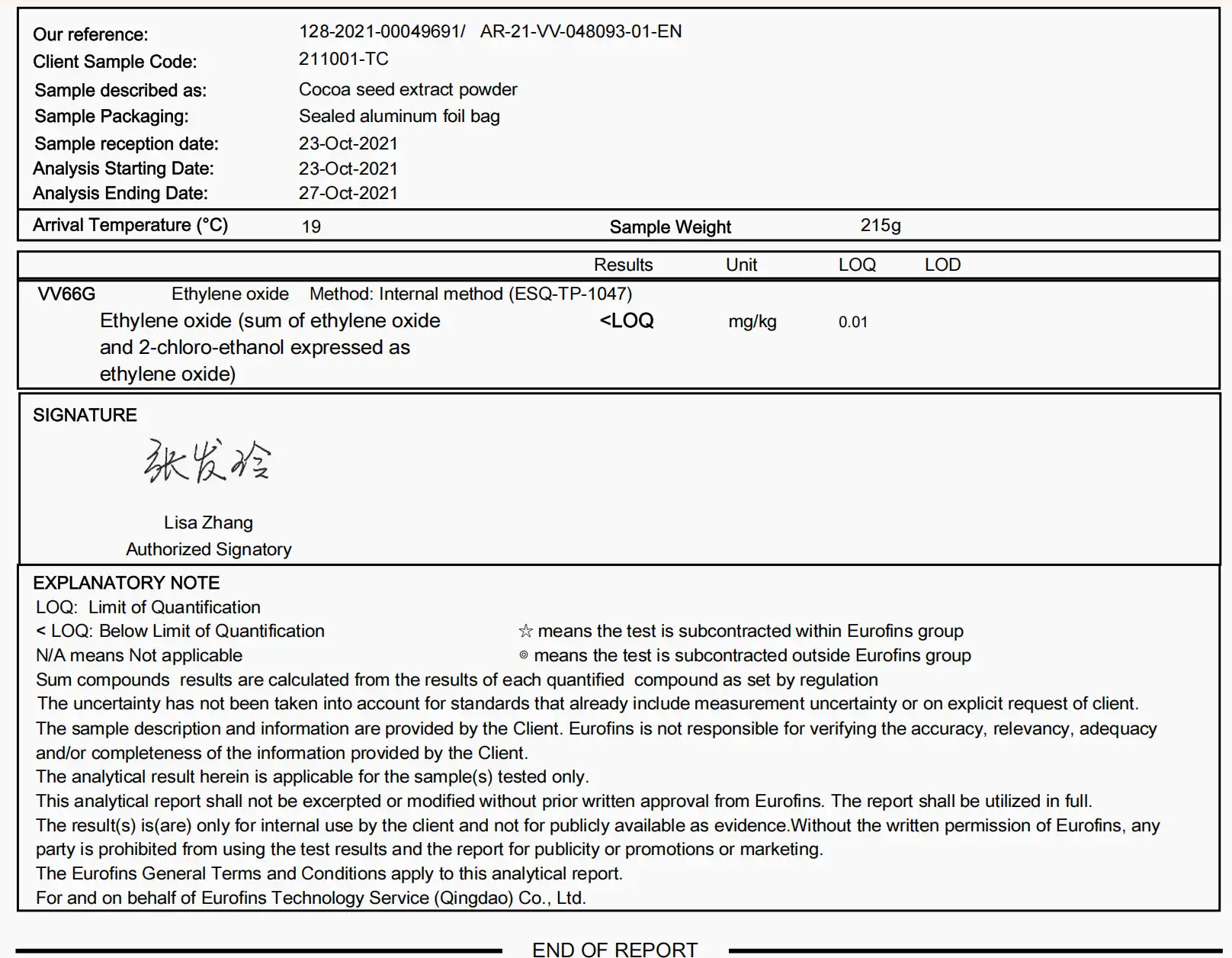
Source Your Cocoa Flavanol Extract Through Clover Origins
Clover Origins is a reliable company that sells cocoa bean extract powder. They have been extracting botanicals for more than 25 years, have three approved manufacturing sites, and can make more than 5,000 tons of cocoa bean extract powder every year. Our non-alkaline Theobroma cacao extract comes in two levels: 10% and 20% cocoa flavanol. It has been certified by ISO 9001, FSSC 22000, Halal, Kosher, and Eurofins. You can get free samples and expert advice. You can email us at info@cloverorigins.com or go to cloveroriginsbio.com to talk about your preparation needs.
References
1. Hollenberg, N.K. et al. "Cocoa Flavanols and Cardiovascular Health." Circulation, 2006.
2. Kerimi, A. & Williamson, G. "The cardiovascular benefits of dark chocolate." Vascular Pharmacology, 2015.
3. Brickman, A.M. et al. "Enhancing dentate gyrus function with dietary flavanols improves cognition in older adults." Nature Neuroscience, 2014.
4. Heinrich, U. et al. "Long-term ingestion of high flavanol cocoa provides photoprotection against UV-induced erythema and improves skin condition in women." Journal of Nutrition, 2006.
5. Gu, L. et al. "Concentrations of proanthocyanidins in common foods and estimations of normal consumption." Journal of Nutrition, 2004.
6. European Food Safety Authority (EFSA). "Scientific Opinion on the substantiation of a health claim related to cocoa flavanols and maintenance of normal endothelium-dependent vasodilation." EFSA Journal, 2012.
Online Message