
Sep 21, 2026
Fuel Your Heart and Mind: The Hidden Power of Cocoa Flavanols
Cocoa flavanols are a special group of plant-based bioactives found in Theobroma cacao. They are very good for your brain and heart. Cocoa Bean Extract Powder contains significantly higher concentrations of flavanols and antioxidants than regular cocoa powder. The standard amount of flavonol in this extract is between 10 and 20 percent. This makes it suitable for nutraceuticals, functional beverages, and dietary supplements.
Understanding Cocoa Flavanols and Cocoa Bean Extract Powder
The dried and fermented seeds of the Theobroma cacao tree are used to make Cocoa Bean Extract Powder. A unique extraction method leaves the beneficial chemicals in the seeds while they are concentrated. For taste, normal cocoa powder is not the same as this extract. Cocoa bean extract powder targets certain polyphenols, mostly epicatechin and oligomeric procyanidins, that are associated with various health benefits. The extraction method changes the strength, safety, and usefulness of the drug. If a company wants to make good products, they need to make sure they choose the right service.
Origins and Chemical Makeup
There are many chemicals, like flavonoids, methylxanthines (like theobromine), and different minerals naturally found in Theobroma cacao beans. How things are processed has a big impact on how long they stay useful. Traditional Dutch processing can significantly reduce flavanol content, depending on processing conditions. This means that normal cocoa powder typically contains lower flavanol levels than standardized extracts. High-quality cocoa bean extract powder is produced without alkalization. Instead, it uses water and ethanol to make an easy, low-temperature extraction process that keeps all the flavanol structures, from monomers to heptamers. This protects the vitamins and blood vessel effects so they work at their best.
Extraction and Purification Processes
The technology used today for separation finds a balance between output and bioactivity. Usually, baking at high temperatures breaks down heat-sensitive flavanol structures, which makes the process less useful. These chemicals are safe because of new low-temperature extraction methods. These methods make sure that the oligomeric procyanidins and epicatechin stay whole. Ethanol and water are used instead of harsh chemicals and waste from manufacturing as solvents for extraction. Standardized cocoa bean extract powders are commonly available with flavanol levels of 10% or 20%, which allows precise formulation. This gives formulators more choices. Fats and sugars are taken out during the cleaning process, and antioxidants are made stronger. Each batch goes through a strict quality control process that checks for heavy metals, pesticide residues, ethylene oxide, and solvent residues. This is done to make sure that they meet all three standards, which are Chinese, European, and U.S.
Natural, Organic, and Synthetic Forms
Being able to tell the difference between natural and man-made goods helps the business keep its customers' trust. Natural Cocoa Bean Extract Powder retains the full spectrum of beneficial compounds naturally found in cacao beans. Flavonols, flavonoids, minor nutrients, and flavonols that work together are some of these. Foods that are made in a lab or that have been filled with separated catechins or polyphenols are less real and could get the attention of regulators.
Customers who like clean labels like organic badges because they show that farmers use safe farming methods and don't use too many pesticides. The flavanol profiles of material that hasn't been alkalized or Dutched stay the same, which gives it an edge in efficiency claims. Companies that make goods can pick ingredients that meet the wants of their customers and follow the rules set by lawmakers if they know these differences.
The Health Benefits of Cocoa Flavanols for Heart and Mind
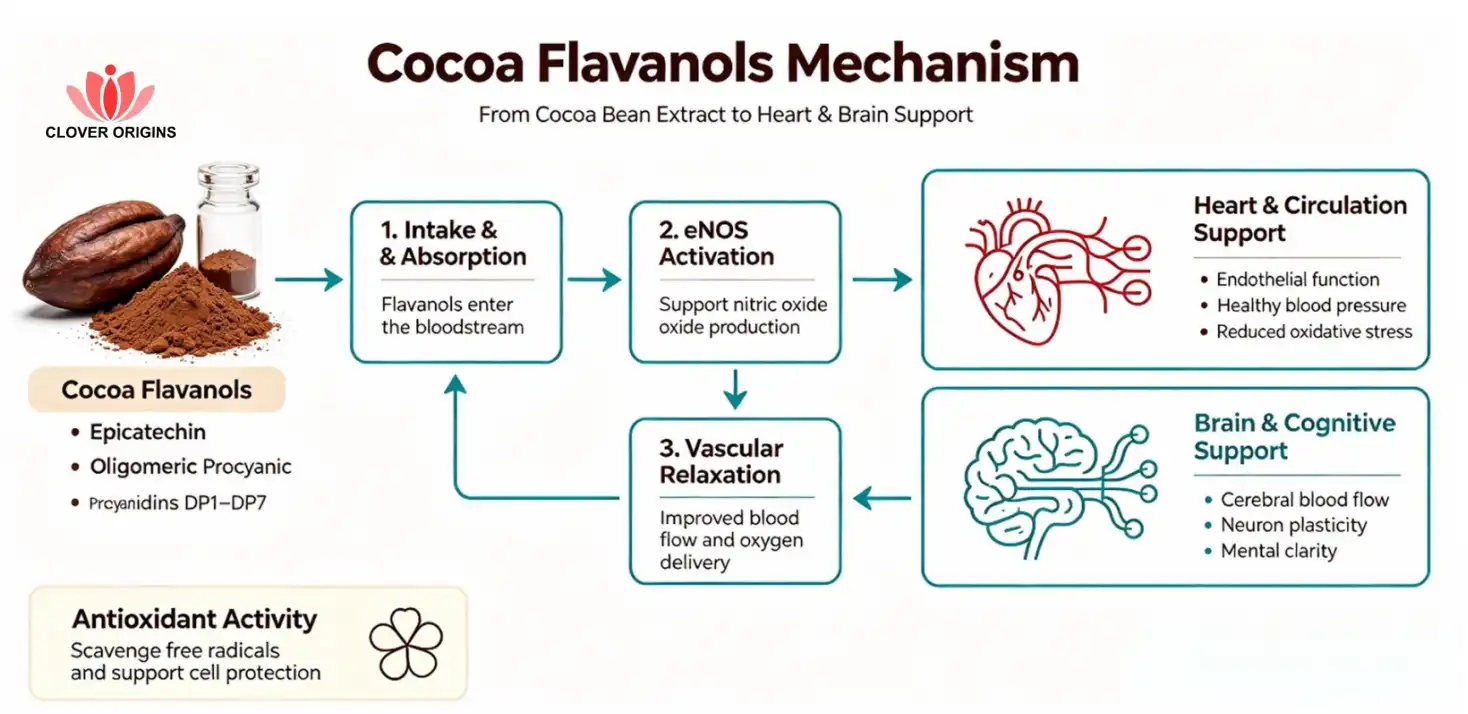
A lot of research from scientists has shown that cocoa flavanols are good for your heart and brain in many ways. Nitric oxide is made more of when these bioactives are present. Nitric oxide helps blood vessels get bigger and move properly. It's possible to fight oxidative stress, which can harm nerves and vascular cells. Because Cocoa Bean Extract Powder has been associated with heart health, sports nutrition, and healthy aging applications, it is increasingly used in functional nutrition products.
Cardiovascular Health Improvements
Clinical studies show that cocoa flavanols raise the activity of endothelial nitric oxide synthase, which improves the performance of circulatory systems a lot. The process makes the walls of blood vessels less stiff, which lowers blood pressure and makes circulation better. Regular intake of cocoa flavanols may improve vascular function and circulation in ways like less stiffness in your arteries and better flow-mediated widening. Cocoa Bean Extract Powder is widely used in sports nutrition products, functional beverages, and cardiovascular health supplements.
Flavonoids like epicatechin and procyanidins fight free radicals. Cutting down on inflammation and stopping LDL cholesterol from burning is very important because it is a key step in the development of atherosclerosis. It has been shown in studies that taking 200 to 500 mg of flavanols every day is good for the heart. Producers can use this data to make things with amounts that are useful in real life. These findings provide guidance for evidence-based product formulation. Natural cocoa polyphenols are better at being soluble and liked by people than antioxidants that are made in a lab.
Cognitive Benefits and Mental Performance
Flavanols found in cocoa have been shown in recent studies to protect nerves and improve the clarity and speed of thought. When blood flow to the brain is better, more oxygen and glucose reach brain cells. This helps you remember things, pay attention, and think quickly.
There are two things that can happen in the brain that can make it harder to think and remember things as you get older. Researchers have found that flavanols help neurons grow and connections change shape. This makes it easier to learn. Combining Cocoa Bean Extract Powder with complementary ingredients such as omega-3 fatty acids or B vitamins can help create differentiated cognitive health products. This is also good for brain health.

Safety Considerations and Recommended Dosages
Flavanol products from cocoa are safe for most people as long as they don't go over the recommended doses. Some people take up to 1,000 mg of flavanols every day, but this varies based on their health goals. To keep people from taking too much, manufacturers should make the amount clear, but natural goods don't usually cause many problems with toxicity.
People are safe when they use quality-controlled goods that are free of impurities. There are strict tests for heavy metals like arsenic, cadmium, and lead in each batch, as well as tests to ensure there are no microbes. It is safe because the total plate count is less than 3,000 cfu/g and there are no germs.
Comparing Cocoa Bean Extract Powder Options for B2B Procurement
Performance, regulatory compliance, and flavanol standardization are key considerations when selecting cocoa bean extract powder for commercial applications. Different sources offer a wide range of goods, which differ in their production methods and flavonoid content. Procurement professionals need to be able to see big differences to find the best mix between price, performance, and place in the market.
Composition, Purity, and Flavanol Levels
This is possible because standardized samples give true flavanol percentages. This method lets you control the combination very exactly. Most buyers choose Cocoa Bean Extract Powder standardized to 10% or 20% flavanols. It lets the makers change the amounts based on how much they want to serve and what health benefits they want to achieve. Less of the chemicals are needed when they are more concentrated. This makes it possible to fill more capsules and cuts the cost of production. AOAC-approved testing methods ensure that the amount of active ingredients in a product is consistent from batch to batch.
The word "purity" refers to more than just the amount of flavanols present. It also means that there are no other substances or contaminants added. It is important for full analysis results to show that there aren't any pesticide or heavy metal residues above the amounts allowed by Prop 65 and EU standards. Also, there shouldn't be many solvent residues left over after proper processing. It's important how things look. When the material is too dark or clumped, it could mean that it's breaking down or wasn't kept properly. Fine brown powder, on the other hand, means that there hasn't been much rust and natural processing. Keeping an eye on the amount of water in food keeps bacteria from growing and makes it last longer, which is very useful for keeping track of resources.
Natural vs. Synthetic Extracts
Natural Cocoa Bean Extract Powder contains multiple cofactors that may improve bioavailability compared with synthetic alternatives. This amount of complexity isn't present in synthetic alternatives or extracts spiked with single chemicals, which could make medicinal effects worse. There is less risk when products come from natural sources because regulators are paying more attention to how real they are.
Clover Origins has strict rules about where to get their ingredients, and they try several batches from key starting countries to make sure they have the best bioactive profiles. They don't add anything to the cocoa and only use non-alkalized methods, so each gram has only natural cocoa chemicals.
Pure vs. Mixed Extracts
This makes the labels easier to read because pure cacao extracts only have chemicals that come from Theobroma cacao. With mixed extracts, cacao is mixed with other natural or man-made ingredients. This may make some benefits better, but it also makes it harder to know the rules and talk to buyers. The people who buy things have to check to see if mixed recipes fit with how the brand is seen and how the target market likes things. It is easier to manage the supply chain and make goods when there is only one ingredient. This is especially true for companies that are new to using plant extracts.
Oligomeric procyanidins (DP1–DP7) protect cells in a way that single molecules can't. Premium sellers are different from those who sell regular extracts or extracts that are only partially broken down and don't work as well as they could.
The Procurement Guide: Sourcing Quality Cocoa Bean Extract Powder
Identifying Trusted Suppliers
Before you decide to work with a provider, you should look at their manufacturing licenses and quality control methods. The ISO 9001 certification shows that the company is committed to controlling the process consistently. The HACCP and FSSC 22000 certifications show that food safety rules are followed. It's easier to get into new markets when you have a Kosher or Halal license. This is especially important for global marketing.
Unique Qualities and Supply Chain Transparency
People who sell premium cacao extract are different because they use cutting-edge processing technology and pick their raw materials with care. Low-temperature extraction saves heat-sensitive flavanols, which makes the plant more bioactive compared to standard high-temperature methods. A lot of tests support the idea that keeping all seven types of DP1 to DP7 procyanidins together gives them more protective power. Being open in the supply chain also means knowing about logistics and taxes. Long-term relationships between international companies like DHL, FedEx, UPS, and TNT make it possible to ship the same day and be sure that the package will arrive on time.
Applying Cocoa Bean Extract Powder in Your Product Line
Ideal Dosage Ranges for Nutraceuticals
Clinical studies provide guidance for effective cocoa bean extract powder dosage strategies. Every day, 200 to 500 mg of cocoa flavanols are used in studies that show they are good for heart health. These flavonols can be taken all at once or in two or more doses. Similar doses are used in ways that improve brain function, but research suggests that doses up to 900 mg may make the benefits to the brain greater.
When goods are standardized, it's easy to find the right amount. A 20% flavanol extract of 1,000 mg gives you 200 mg of active flavanols. That's about the same amount that two 500 mg pills can hold. Extracts with lower concentrations need higher doses, which makes pills heavier and harder for people to take as directed. Companies that want to sell high-end goods can benefit from having items with higher ratios that let them make doses that are smaller and easier to use. For brands that want to save money, 10% extracts may be a good choice because the ingredients cost less per pill.
Innovation Opportunities and Market Trends
Cocoa Bean Extract Powder offers significant innovation opportunities as demand grows for plant-based ingredients supported by scientific research. For healthy people, recipes that mix cocoa flavanols with plants that do well together, like omega-3 fatty acids, green tea catechins, or beetroot nitrates, are a good choice. More people, like students and workers, need nootropics. To meet this need, brain health goods are being made that combine cacao with lion's mane mushroom, bacopa, or citicoline.
Sports diet is another option that is becoming more popular. The flavanols in cocoa make it easier for oxygen to get to muscles, which helps them heal and last longer. This process is used in pre-workout pills, which also use natural caffeine sources instead of fake ones. Antioxidants in foods that help you heal from exercise help fight the reactive stress that exercise causes.
Conclusion
Scientific research suggests that cocoa flavanols found in cocoa bean extract powder may support both cardiovascular and cognitive health. Because of this, cocoa seed extract is a useful ingredient for businesses that want to get people who care about their health. When buying teams know about quality signs, sourcing factors, and extraction methods, they can pick high-purity extracts that are full of bioactives and make goods work. Working with experienced providers who offer clear supply chains, thorough testing, and expert help speeds up the process of making new medicines and lowers the risks related to quality and regulations. Because demand for evidence-based plant ingredients continues to grow, more companies are incorporating Cocoa Bean Extract Powder into nutritional supplements and functional food products.
FAQ
What makes Cocoa Bean Extract Powder different from regular cocoa powder?
Up to 90% of the good flavanols in regular cocoa powder are lost when it turns acidic. Cocoa Bean Extract Powder uses beans that have not been alkalized and low-temperature extraction to keep all of the antioxidants. It also gives accurate levels of flavanol (10% to 20%), which can be used in medicine. The heart and brain are better off when you eat this mixture instead of regular cocoa.
How is contaminant-free quality ensured in cacao extracts?
It is checked carefully in every run for heavy metals (lead less than 2 ppm, cadmium less than 0.5 ppm, arsenic less than 1 ppm), herbicide residues, ethylene gas, and solvent residues. Microbe tests make sure that the Total Plate Count is less than 3,000 cfu/g. Getting ISO, FSSC, Halal, or Kosher certification means that a product meets safety standards around the world. This makes officials feel good about the world's markets.
Can cacao extract powder integrate into beverage formulations?
Of course. It's easy to mix the fine brown powder into RTD drinks, protein shakes, and functional drinks. Doses are more accurate when the flavanol content is standardized, and taste profiles are better when natural cocoa flavor is added. Tests for stability make sure that bioactivity doesn't change over time. This way, claims of usefulness are kept across all lines of distribution.
Partner with a Trusted Cocoa Bean Extract Powder Supplier
Cocoa Bean Extract Powder is made by Clover Origins, a company you can trust. Their cutting-edge low-temperature extraction method keeps all the flavanols from DP1 to DP7. They have been making plant extracts for 25 years. Our three cutting-edge factories can make 5,000 tons of goods every year, so we always have a steady supply. Our ISO 9001, FSSC 22000, Halal, and Kosher standards also make sure that all over the world it is okay to buy our goods. We make sure that our high-quality Theobroma cacao beans are not alkaline when we handle them so that they have the most bioactivity possible. We offer variable minimum order numbers, quick sample development within seven working days, and customized production lead times of 5–10 days. All of these things can speed up the time it takes to start making your product. Deep testing makes sure that heavy metal compliance, chemical residues, and bacteria cleanliness are all met. These tests meet Chinese, European, and U.S. standards at the same time. You can get free advice from our team, as well as OEM/ODM services for drinks, pills, and sweets, and we can help you whether you need 10% or 20% cocoa flavanol. Send an email to info@cloverorigins.com to get free samples and find out how our open supply chain and dedication to working with you can make it easier for you to find good foods.
References
1. Heiss, C., Sansone, R., Karimi, H., Krabbe, M., Schuler, D., Rodriguez-Mateos, A., Kraemer, T., Cortese-Krott, M.M., Kuhnle, G.G., Spencer, J.P., Schroeter, H., Merx, M.W., Kelm, M. (2015). Impact of cocoa flavanol intake on age-dependent vascular stiffness in healthy men: a randomized, controlled, double-masked trial. Age, 37(3), 9794.
2. Scholey, A.B., French, S.J., Morris, P.J., Kennedy, D.O., Milne, A.L., Haskell, C.F. (2010). Consumption of cocoa flavanols results in acute improvements in mood and cognitive performance during sustained mental effort. Journal of Psychopharmacology, 24(10), 1505-1514.
3. Katz, D.L., Doughty, K., Ali, A. (2011). Cocoa and chocolate in human health and disease. Antioxidants & Redox Signaling, 15(10), 2779-2811.
4. Ellinger, S., Reusch, A., Stehle, P., Helfrich, H.P. (2012). Epicatechin ingested via cocoa products reduces blood pressure in humans: a systematic review and meta-analysis of randomized trials. American Journal of Clinical Nutrition, 95(3), 740-751.
5. Desideri, G., Kwik-Uribe, C., Grassi, D., Necozione, S., Ghiadoni, L., Mastroiacovo, D., Raffaele, A., Ferri, L., Bocale, R., Lechiara, M.C., Marini, C., Ferri, C. (2012). Benefits in cognitive function, blood pressure, and insulin resistance through cocoa flavanol consumption in elderly subjects with mild cognitive impairment. Hypertension, 60(3), 794-801.
6. Lamport, D.J., Pal, D., Moutsiana, C., Field, D.T., Williams, C.M., Spencer, J.P., Butler, L.T. (2015). The effect of flavanol-rich cocoa on cerebral perfusion in healthy older adults during a conscious resting state: a placebo-controlled, crossover, acute trial. Psychopharmacology, 232(17), 3227-3234.
Online Message