
Sep 21, 2026
Everything You Need to Know About Rosemary Extract
The pure plant part called rosemary extract comes from the leaves of the Rosmarinus officinalis plant. It is prized in many areas because it can be used for many things and is a strong antioxidant. In place of artificial stabilizers in food, as an active ingredient in vitamins, and as a flavoring in makeup, Rosemary Extract Powder, which has been checked for both carnosic acid and rosmarinic acid, can be used. People who want to use natural options that meet government standards and customer needs can't do without it because it stops oxidative damage. If formulators and procurement managers want to add this ingredient to their products, they need to know what it is made of, how to use it, and where to get it.
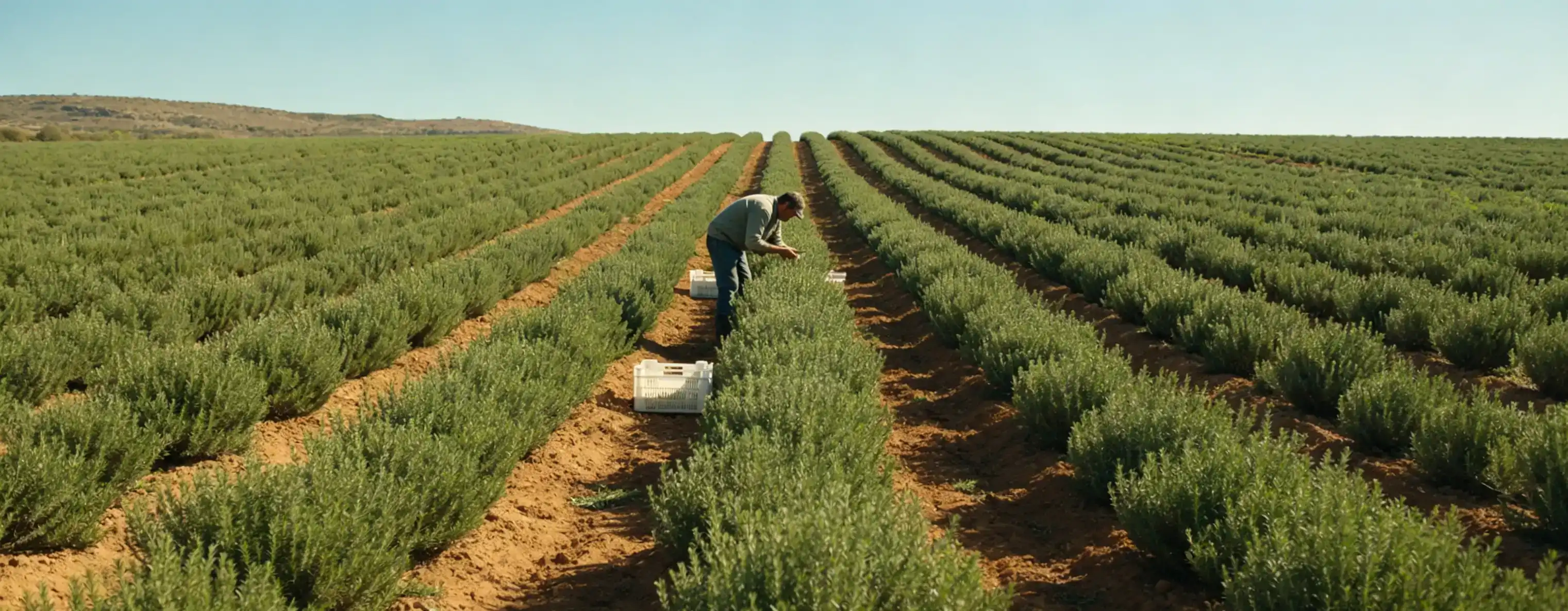
What Is Rosemary Extract Powder and Its Core Benefits
Understanding the Composition and Extraction Process
To make rosemary extract powder, the leaves of the rosemary plant are carefully picked and then mixed with ethanol and water to concentrate the good chemicals. The main ingredient, carnosic acid, is a strong antioxidant that works much better than many man-made ones. In the way we make things, we use High-Performance Liquid Chromatography (HPLC) tests to make sure that the amounts of carnosic acid are always the same, from 5% to 50%. This fine brown powder makes sure that the quality stays the same from batch to batch, which is hard for people who make things and have to deal with changing ingredients. The mixture of liquids used for extraction makes sure that the drug is as bioavailable as possible while still reaching safety standards set by the FDA and the EU.
Key Functional Benefits for Product Development
As a stabilizer, carnosic acid gives manufacturers a useful ingredient that makes things last longer on their own. Rosemary Extract Powder is not the same as man-made antioxidants like BHA and BHT. It fits with the move toward clean labels and stops lipid oxidation just as well or better. When added to makeup, the antibacterial properties work with other ingredients to make the item last longer and do a better job. Studies have shown that rosmarinic acid can help reduce inflammation even more. The extract can be used in skin care items for sensitive or old skin because of this. The version we sell that doesn't have a smell fixes manufacturing issues when the plant smell could mess up the product's sensory ratings.
Distinguishing Powder Form from Fresh Rosemary and Oils
There are different amounts of phytochemicals and a lot of water in fresh rosemary, which makes it harder to grow in factories. All of these differences are taken care of by Rosemary Extract Powder. This way, formulators can be sure that every batch will work the same. Aromatherapy can be done with rosemary essential oil, but it can't be used as much as the extract powder because it doesn't have the water-soluble chemicals that the extract powder does. Since the powder form is more stable during storage, there is less chance that it will break down while being shipped or stored, which is very important for international supply lines. Our rosemary extract that dissolves in oil can be used in a wider range of products because it can be used in formulas that are drawn to fat.
Rosemary Extract Powder vs Other Natural Extracts: Making Informed Choices
Comparative Analysis with Popular Botanical Alternatives
Rosemary extract powder stays more stable at high temperatures than turmeric extract. This means it can be used for more heat-based tasks. Green tea extract has a lot of catechins, but it can change the color and taste of some things. Deodorized rosemary extract, on the other hand, keeps the taste and look in check. Because it has carnosic acid, it works in a special way by chelating metal ions that speed up the oxidation process. This is something that not all plant antioxidants can do. Grapeseed extract has polyphenolic chemicals, but rosemary extract is more stable at low and high pH levels, so it works well in both healthy drink mixes and drinks that are acidic. If buying teams know about these differences, they can pick ingredients that are great for their goods and help them stand out in the market.
Organic Certification and Quality Benchmarks
While regular Rosemary Extract Powder is less expensive than organic Rosemary Extract Powder, organic forms cost more because they have to be grown and approved in a certain way. There are more quality standards than just the amount of active ingredient that must be present. They also set limits on chemical leftovers, heavy metal pollution, and the growth of microbes. As part of our production process, we test each batch carefully to find any traces of ethylene oxide and solvents. This makes sure we follow the strict rules set by the US and Europe. More weight should be given to providers who offer proof of tracking and proof from well-known labs that was not made by the formulator. When a brand spends money on approved organic products, it can improve its image and meet the wants of high-end customers.
Dosage Guidelines for Optimal Formulation Performance
Levels of dosage that work depend on the purpose and the effects that are sought. As long as the amount is between 200 and 1000 ppm, antioxidants should be able to protect food without changing the way it tastes. Most dietary pills have between 100 mg and 400 mg per dose. This amount is matched with other plant-based ingredients to get benefits that work together. For cosmetic uses, you need to be very careful when making changes. Stability tests show that amounts between 0.5 and 3% are safe for the skin and work well. Rules and laws are different in different places. In some places, you can only use a certain amount of certain kinds of goods. Getting expert help from people with a lot of experience is a great way to make sure that recipes meet both compliance and efficiency goals throughout the whole process of making a new product.
Practical Applications and Usage Guidelines for Rosemary Extract Powder
Food and Beverage Applications
It is being used more and more in the food business as a natural preservative to keep labels clean and food fresh for longer. This ingredient stops lipid oxidation, which is what goes bad in meat. This means that the color and taste stay the same while it is being stored and shown. In whole grain recipes, it can protect polyunsaturated fats, which is useful for baking and solves a common problem when making healthy foods. The extract is used in functional drinks because it is an antioxidant and may be good for brain health. However, the recipe needs to be carefully thought out to keep the drink clear and stop sedimentation. Types that dissolve in oil are great for mixing into soups, stews, and cooking oils. They also have the oxidative stability that people think of as a sign of quality and freshness.
Nutraceutical and Dietary Supplement Integration
A new study backs up the claim that rosemary extract powder is good for the brain and metabolism, which is why supplement makers like it. The powder can be compressed well to make pills, and it doesn't need a lot of binding agents to stay together during the making process. This part of plants works well with other plant-based ingredients that work on inflammation, circulation, or antioxidant status when put into pills. Because it lowers oxidative stress caused by exercise, the extract is used in sports nutrition items. This puts it in the recovery and performance growth groups. Our scientific team helps with preparation to make complex systems more bioavailable and stable. They do this by taking care of typical issues like how the product breaks down over time and how the ingredients work together.
Cosmetic and Personal Care Formulations
People who make skin care products like Rosemary Extract Powder because it can be used as both an active ingredient and a guard against damage. Some of the main ingredients in anti-aging serums are retinol and vitamin C. Antioxidants help keep these ingredients from breaking down and also make the product work better. It's in hair care products because the extract can help keep the scalp healthy and may even make hair follicles work better. As more people look for natural ways to grow their hair, this fits in with that trend. The form that has been cleaned of smells can be used in goods that can't handle strong smells without changing the way the flavors taste. Stability studies show that it works with popular makeup ingredients. However, the pH may need to be changed to make carnosic acid more stable over the life of the product.
How to Source and Purchase Rosemary Extract Powder: A B2B Buying Guide
Identifying Reputable Suppliers and Quality Indicators
The first thing that needs to be done to make sure that the purchase goes well is to look at the possible suppliers' manufacturing certifications and quality control systems. Quality control is done in an organized way that lowers the difference from batch to batch, as shown by certifications like ISO 9001, HACCP, and FSSC 22000. If you ask for Certificates of Analysis (CoA) from recent production runs, you can see real test results for active ingredients, contaminants, and physical qualities instead of just relying on specification sheets. Suppliers that follow many foreign standards and offer help with FDA registration show that they want to give customers access to markets around the world. Extra security comes from having a third party check the site or give you an audit report. This is especially true when you're making long-term deals for important raw materials.
Pricing Structures and Minimum Order Quantities
Rosemary extract powder costs different amounts on the market based on how much you order, how much carnosic acid is in it, and whether it is organic. Standard grades (5–10% carnosic acid) cost around $15 to $30 per kilogram on a large basis. Extracts with a high concentration (50–100% carnosic acid) cost more because they need to be strained more. Because of MOQs, it's hard for smaller makers to do business. It is possible to test the market and come up with new goods without spending a lot of money, though, if the seller is flexible and the MOQ is low. To figure out how much it will cost to land, you need to think about the shipping method, the customs fees, and any delays that might happen. Sellers with a lot of knowledge can handle this by using well-known transportation networks. Price stability terms in long-term supply agreements protect against changes in the prices of raw materials and make sure that the supplier will be able to keep up with output.
Evaluating Technical Support and Service Capabilities
When picking a service, you should think about more than just the quality of the product. You should also think about how much professional help is offered throughout the whole process of making the product. When asked, leading companies can give samples within seven business days. This makes it easy to test recipes quickly. When regulatory reports are made, supporting paperwork is very important. Quick partners can give you up-to-date certificates, safety statements, and stability data in hours instead of days. Suppliers get more value from custom preparation services than just giving out goods. Along with making premixes and dosing forms, they help speed up the process of putting a product on the market. It lowers the risk of development and saves R&D investments during the marketing stages when the recipe doesn't have to be changed from test production to commercial production.
Ensuring Quality and Compliance in Rosemary Extract Powder Procurement
Regulatory Standards Across Major Markets
Compliance rules for rosemary extract powder vary a lot from one area to the next, so sellers need to be able to work with clients in more than one area. There are some uses that might need more proof before they can be sold in the U.S., but getting FDA approval and GRAS status makes it easier to get into the market. In Europe, the Novel Foods scheme and the Cosmetics Regulation make sure that certain types of goods have strict safety paperwork and quantity limits. Suppliers can sell their goods in China's home market as long as they have Chinese SC approval and follow GB national standards. Suppliers who want to sell their goods abroad also make sure they follow the rules of the destination market. Kosher and Halal approvals are only given to certain types of customers and need to be overseen by an Islamic priest or authority during production. Having multiple licenses at the same time shows that a seller knows how to run a business and understands the market, which is good for foreign names.
Analytical Testing and Documentation Requirements
There is more to quality assurance than just counting the number of active chemicals. Checking for toxins and studying bacteria are also part of it. Heavy metal tests for arsenic, lead, cadmium, and mercury keep you safe from bioaccumulation risks, and the amounts that are set usually match USP or EP pharmacopeial standards. Making sure that organic standards and rules for the target market are followed means looking at herbicide residues that contain hundreds of chemicals. The extraction process was managed because the amounts of ethanol and water left over are below the limits set by officials. As part of microbiological standards, virus screens for Salmonella and E. coli, yeast, mold, and yeast, as well as the cell count. Raw material release methods that protect customers' safety and the brand's reputation can only happen when suppliers give full analysis reports with test results that are unique to each batch.
Risk Mitigation Strategies for Procurement Teams
To make supply lines more reliable than having just one source, you need to use diversification strategies and back-up plans. If your main sources have problems with production, quality, or foreign issues, having qualified secondary sources can help you. Keeping smart inventory buffers helps balance the need for supply consistency with the need to protect working capital. This is especially important for things that take a long time to make and sell. Contractual clauses that cover things like quality problems, product recalls, and data protection make it clear how to run partnerships. Regular seller performance reports look at how reliable deliveries are, how quickly people can communicate, and how stable the quality is. These reports are used to make decisions about ongoing relationship management. When you work with buyers as development partners instead of just as business providers, you can work together to solve problems and come up with new ideas. This is good for everyone during the whole product lifecycle.
Conclusion
As an ingredient, Rosemary Extract Powder is versatile and backed by science. It can be used in many fields, from natural health and fitness to natural preservation. Making sure that all products have the same amount of carnosic acid helps the people who make them make sure that they work as planned and meet customer requests for clean-label goods. The seller's skills, their ability to follow the rules, and their expert support services that go beyond just giving you ingredients are all important things to think about before you buy. For formulators, the oil-soluble and deodorized forms give them more ways to use different ingredients in their goods. This helps them come up with new ideas in very competitive markets. Quality control through careful tests and paperwork protects customers and the brand's image all along the supply chain.
FAQ
How does carnosic acid content affect product performance?
Because more carnosic acid makes the protective effect stronger, it is possible to use less of it in recipes. Standardization between 20 and 50 percent is good for products that need to stay fresh in tough conditions. In nutraceutical uses, 10 to 20 percent amounts that are matched with other plant ingredients are popular. There isn't a straight line between how much you take and how well it works because other vitamins can improve the system as a whole.
What distinguishes deodorized rosemary extract from standard grades?
Products that are deodorized go through extra steps to get rid of flammable smell compounds while keeping the amount of carnosic acid that they have. This means they can be used in places where the strong plant scent might get in the way of the product's taste or smell, like in supplements that don't taste like anything or in personal care items that have a light scent. Technical know-how is needed to keep the biological structure and get the right mix of smells during the deodorization process.
Can rosemary extract powder replace synthetic preservatives entirely?
Would Rosemary Extract Powder work in place of all chemical preservatives? When it comes to protecting against reaction damage, rosemary extract works just as well as the real food. Things like how the product is made, packed, and stored can change this. When you use rosemary extract with other natural ways to keep things fresh, you often get the best results. To make sure that the way of preservation works well for the whole shelf life, it is still necessary to test its stability in the places where it will be stored.
Partner with Clover Origins for Premium Rosemary Extract Powder Solutions
Plant extracts have been a part of Clover Origins' work for more than 25 years. Their Rosemary Extract Powder meets the high standards of companies that make food, vitamins, and makeup. More than 5,000 tons of goods are made every year in our cutting-edge plants. They are approved by ISO 9001, HACCP, FSSC 22000, Kosher, and Halal, so you can be sure that your formulas follow all rules around the world. We have flexible MOQs, can make a model for you in seven business days, and will provide full expert help throughout the entire process of making your product. It only takes five to ten days to make goods that are made to order and one to two days to ship goods that are in stock. If you need regular grades or special versions that don't smell, our team can make sure that the quality is the same from batch to batch and that you can keep track of everything. You can talk to our buying experts about your Rosemary Extract Powder needs and get free samples by emailing info@cloverorigins.com.
References
1. Nieto, G., Ros, G., & Castillo, J. (2018). Antioxidant and antimicrobial properties of rosemary (Rosmarinus officinalis, L.): A review. Medicines, 5(3), 98.
2. Borrás-Linares, I., Stojanović, Z., Quirantes-Piné, R., Arráez-Román, D., Švarc-Gajić, J., Fernández-Gutiérrez, A., & Segura-Carretero, A. (2014). Rosmarinus officinalis leaves as a natural source of bioactive compounds. International Journal of Molecular Sciences, 15(11), 20585-20606.
3. Pérez-Fons, L., Garzón, M. T., & Micol, V. (2010). Relationship between the antioxidant capacity and effect of rosemary (Rosmarinus officinalis L.) polyphenols on membrane phospholipid order. Journal of Agricultural and Food Chemistry, 58(1), 161-171.
4. Rašković, A., Milanović, I., Pavlović, N., Ćebović, T., Vukmirović, S., & Mikov, M. (2014). Antioxidant activity of rosemary (Rosmarinus officinalis L.) essential oil and its hepatoprotective potential. BMC Complementary and Alternative Medicine, 14(1), 225.
5. Birtić, S., Dussort, P., Pierre, F. X., Bily, A. C., & Roller, M. (2015). Carnosic acid. Phytochemistry, 115, 9-19.
6. Andersen, C., Rayalam, S., Della-Fera, M. A., & Baile, C. A. (2010). Phytochemicals and adipogenesis. BioFactors, 36(6), 415-422.
Online Message